Episode 78: Radical Responsibility with Tyona Vallejo
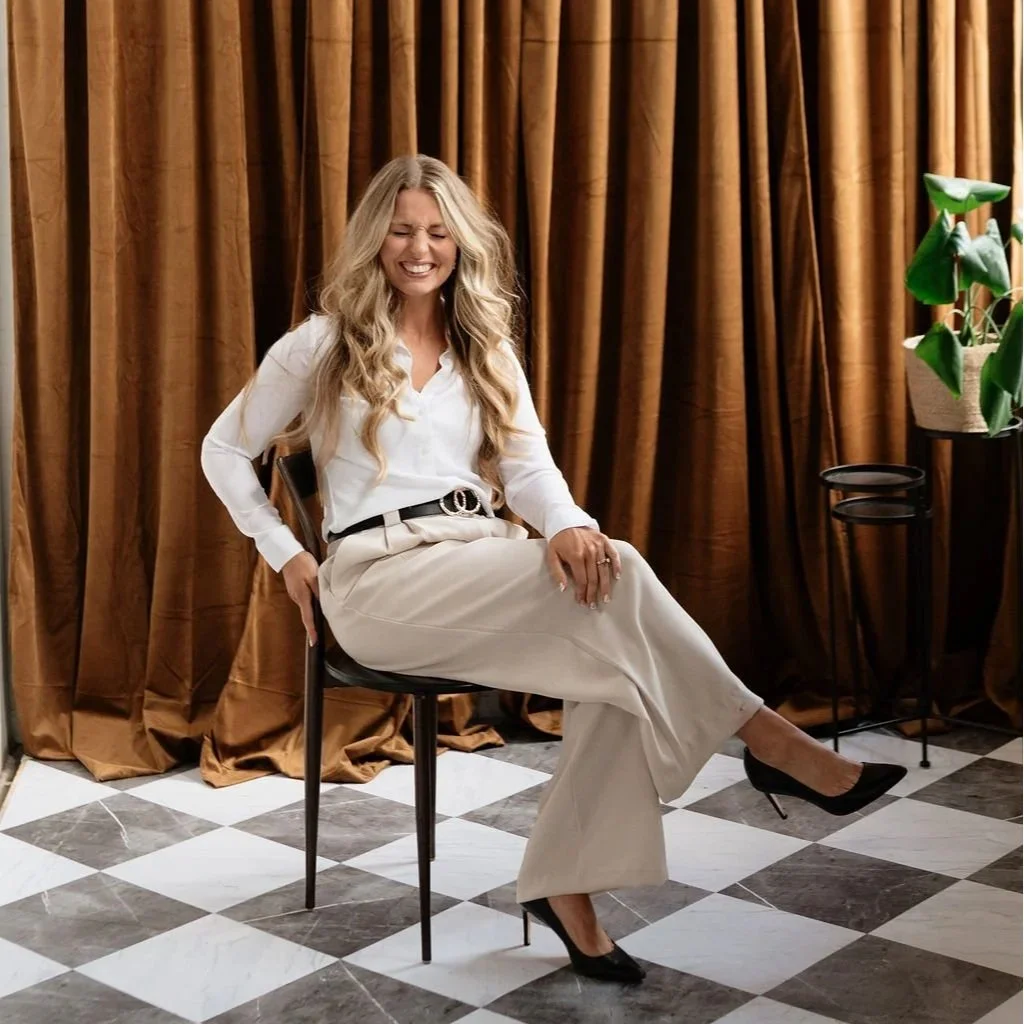
Radical Responsibility Starts With You
It is easy to believe that the key to a better marriage is finding the right words, changing your partner's behavior, or waiting for things to calm down.
But what if lasting change begins somewhere completely different?
In this conversation with coach and yoga teacher Tayona Vallejo, we explore one of the most freeing ideas in personal growth: radical responsibility. Not responsibility for another person's actions, but for your own thoughts, emotions, nervous system, and the way you choose to show up.
It is a conversation about self-trust, emotional regulation, boundaries, compassion, and what happens when you stop trying to control someone else and start creating safety within yourself.
The Shift That Changes Everything
Like many women, Tayona originally sought coaching because she wanted to improve her marriage and grow her business.
What surprised her wasn't learning how to change her husband.
It was realizing she didn't have to.
Instead, coaching taught her that while she couldn't control another person, she always had influence over how she experienced her own life. That realization became the foundation for everything that followed.
Real change began when she stopped asking, "What's wrong with him?" and started asking, "How do I want to show up?"
Your Brain Sees What It Expects to See
One of the biggest lessons we discuss is how our minds naturally collect evidence for whatever we already believe.
If you believe your spouse is inconsiderate, your brain will notice every forgotten chore, every frustrating comment, and every mistake.
If you believe your spouse is a good person who sometimes struggles, your brain begins collecting different evidence.
The circumstances may not change immediately.
But your experience of them does.
Where your attention goes, your relationship follows.
Understanding the Nervous System Changes the Conversation
One of the most powerful moments in the conversation centers around the nervous system.
When someone is emotionally triggered, they are rarely thinking clearly.
Their nervous system has shifted into protection mode.
Understanding this doesn't excuse hurtful behavior.
It creates compassion.
Instead of interpreting every emotional reaction as a personal attack, we can recognize that another person's nervous system is doing exactly what it believes it needs to do to stay safe.
That perspective alone can completely change the tone of a marriage.
You Cannot Regulate Someone Else
Many women spend years trying to calm, fix, convince, or manage the people around them.
But emotional regulation doesn't work that way.
You cannot regulate another person's nervous system.
You can only regulate your own.
Ironically, that's often what creates the safest environment for someone else to calm down.
Instead of matching their frustration with more frustration, you become the steady presence in the room.
Calm becomes contagious.
Self-Trust Comes Before Relationship Trust
One of the deepest parts of our conversation centers around self-trust.
Many women wonder why they struggle to speak honestly, set boundaries, or express their needs.
Often, it isn't because they don't trust their partner.
It is because they haven't fully learned to trust themselves.
When you don't feel emotionally safe inside your own body, authenticity feels risky.
You perform.
You people-please.
You avoid difficult conversations.
You stay quiet to keep the peace.
Learning to trust your emotions, your intuition, and your ability to handle discomfort allows you to become radically honest without fear.
Boundaries Create Connection
Healthy boundaries are often misunderstood.
They are not punishments.
They are not ultimatums.
They are honest expressions of what is true for you.
For Tayona, learning to set boundaries became the turning point that interrupted years of resentment.
Instead of silently tolerating what wasn't working, she found the courage to communicate openly.
Boundaries didn't create distance.
They created the possibility for genuine partnership.
Control Isn't Safety
Many women carry the invisible burden of trying to control everything.
The schedule.
The house.
The children.
The conversations.
The outcomes.
It feels responsible.
But underneath control is often something much deeper.
Fear.
Control creates the illusion of safety, but lasting safety comes from knowing you'll be okay regardless of what happens around you.
When you stop needing everything to go perfectly, you gain something much more valuable.
Peace.
Compassion Doesn't Mean Agreement
One of my favorite reminders from this conversation is that compassion and boundaries can exist together.
You can recognize that your partner is emotionally activated without agreeing with their behavior.
You can understand their nervous system while still honoring your own.
You can remain calm without becoming responsible for fixing them.
This balance allows both people to remain human while staying connected.
The Marriage You Want Starts With the Person You Become
Marriage becomes lighter when we stop trying to win.
When we stop keeping score.
When we stop waiting for someone else to change first.
The invitation is simple.
Regulate your own nervous system.
Build self-trust.
Practice compassion.
Speak honestly.
Set healthy boundaries.
And remember that you and your spouse are on the same team, even when your nervous systems temporarily convince you otherwise.
Because the greatest transformation rarely begins by changing someone else.
It begins by becoming the version of yourself you've been waiting for all along.